
Mental health plays a crucial role in the overall well-being of seniors, yet it is often overlooked in discussions about aging. In-home care services provide an effective way to address the mental health needs of elderly individuals, offering tailored support to improve emotional, cognitive, and social well-being.
The Growing Need for Mental Health Support in the Elderly
Mental health challenges such as depression, anxiety, and cognitive decline are prevalent in older adults. In fact, studies show that depression affects approximately 7 million Americans aged 65 and older. The risks of mental health issues are heightened due to factors such as social isolation, the loss of loved ones, and the physical decline that often comes with aging. Many seniors also struggle with chronic conditions, which can contribute to emotional distress and a reduced quality of life.
How In-Home Care Services Address Elderly Mental Health
In-home care services offer a comprehensive approach to managing elderly mental health, focusing on emotional support, companionship, and practical assistance. Caregivers, trained to provide emotional and psychological support, are often the first line of defense against mental health decline in seniors. They offer personalized care that helps seniors feel valued, heard, and connected to the outside world.
Companionship and Social Interaction
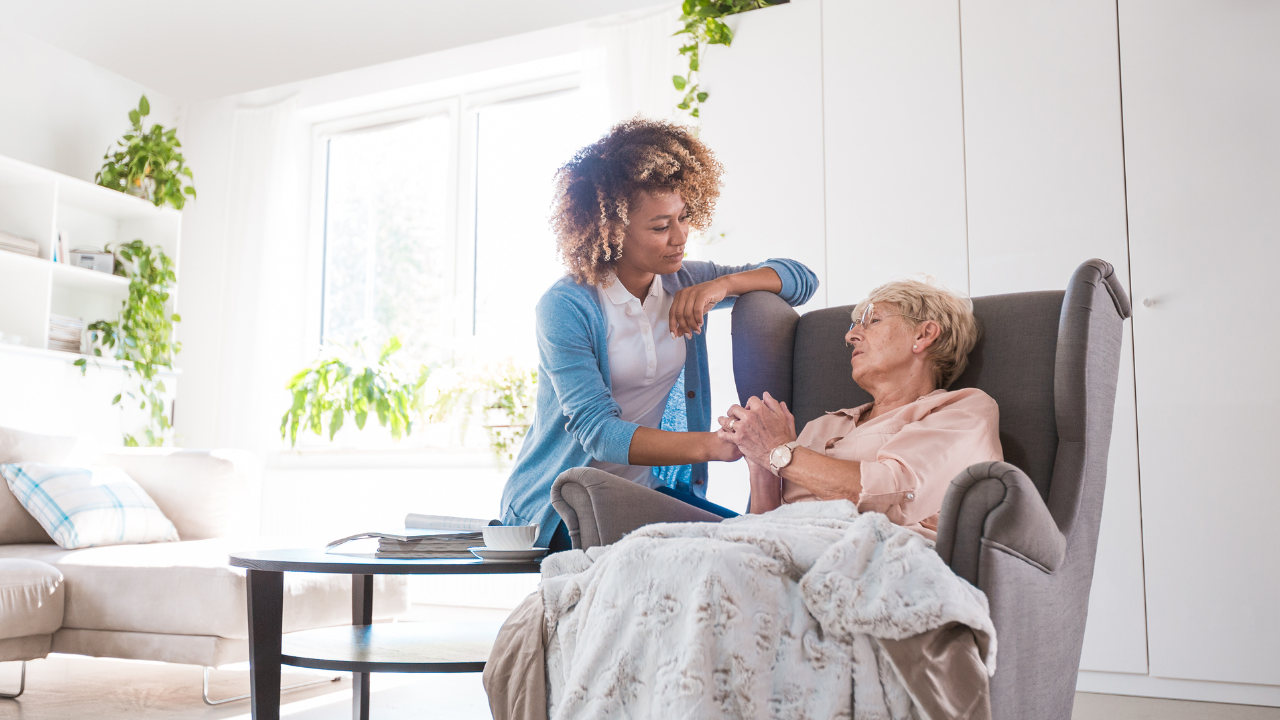
One of the most significant benefits of in-home care is the companionship provided by caregivers. Loneliness and social isolation are major contributors to mental health issues in the elderly, and having someone to talk to or spend time with can have a profound impact on emotional well-being. Caregivers not only offer conversation but also engage in activities that promote cognitive function and happiness, such as puzzles, games, or outings.
Managing Anxiety and Depression
Seniors dealing with depression and anxiety can benefit greatly from the emotional support offered by in-home care services. Caregivers are trained to recognize the signs of these conditions and provide a comforting presence. They help seniors manage their symptoms by offering encouragement, assisting with medications, and ensuring that they maintain their daily routines. Emotional support from a familiar caregiver can help seniors feel secure and less anxious about their circumstances.
Cognitive health is another essential component of mental well-being in seniors. In-home care services often include cognitive support, such as memory exercises and activities designed to keep the mind sharp. Cognitive stimulation has been shown to reduce the risk of dementia and Alzheimer’s disease, and caregivers can help seniors engage in activities that promote brain health.
Personalized Care Plans
Each senior has unique mental health needs, and a personalized care plan ensures that these needs are met. In-home care providers assess the individual’s emotional state, social situation, and cognitive abilities to create a tailored plan of care. This can include medication reminders, assistance with managing stress, and techniques for improving sleep hygiene—key factors in supporting mental health.
Maintaining a stable routine can be incredibly beneficial for elderly mental health. In-home caregivers help seniors establish daily routines, providing structure and predictability. A consistent schedule helps reduce anxiety and promotes a sense of control, which is essential for individuals dealing with mental health issues. Caregivers can assist with meals, exercise, and other tasks that promote overall well-being.
The Role of Family Caregivers in Mental Health Support
Family caregivers play a crucial role in supporting elderly mental health, but they often face emotional and physical challenges themselves. In-home care services can offer respite to family caregivers, ensuring that they have the support they need to provide the best care possible. By sharing the responsibility with professional caregivers, family members can reduce their stress levels and continue to offer emotional support to their loved ones.
The Impact of In-Home Care on Quality of Life
By providing emotional support, companionship, and personalized care, in-home care services help seniors maintain their mental health, ultimately improving their quality of life. Seniors who receive in-home care are more likely to feel connected to their community, experience less loneliness, and report better mental health outcomes. These services empower elderly individuals to live comfortably and with dignity in their own homes, enhancing their independence and happiness.
Supporting elderly mental health through in-home care services is essential for promoting emotional well-being and quality of life in seniors. Caregivers offer valuable emotional support, alleviate feelings of loneliness, and assist with managing conditions such as depression and anxiety. By providing companionship, cognitive stimulation, and a structured routine, in-home care services enable seniors to maintain their independence and mental health well into their later years.
If you or a loved one is in need of professional in-home care services, it’s essential to explore all available options and find a plan that best suits your needs. American Home Healthcare Solutions offers a range of services tailored to support the mental and emotional well-being of seniors. Contact us today to learn more about how we can assist you and your loved ones in maintaining a happy and healthy life at home.
American Home Healthcare Solutions
For more information, feel free to contact American Home Healthcare Solutions.
Visit us at 1139 East Jersey Street, Suite 203, Elizabeth, NJ 07201, call us at (908) 409-8373, or email us at info@ahchomecaresolutions.org.